
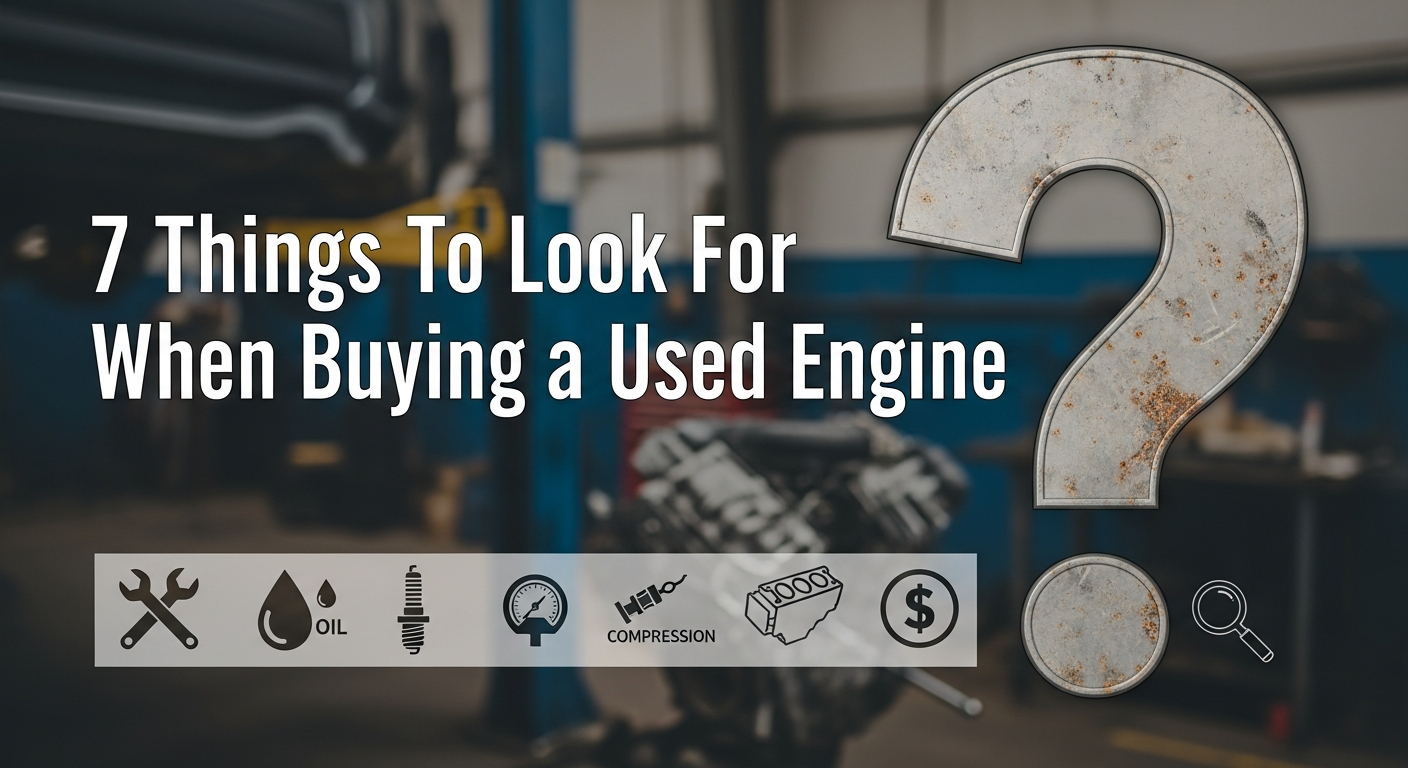
Shopping for a replacement engine online has become increasingly common. With wider availability, competitive pricing, and doorstep delivery, online platforms make it easier than ever to find an engine that fits your vehicle and budget. However, buying a used engine for sale online also requires careful evaluation. Unlike routine auto parts, an engine is a complex, high-value component, and making the wrong choice can lead to costly setbacks.
This guide walks buyers through everything they need to know before purchasing—how to evaluate sellers, what questions to ask, how to avoid common mistakes, and how to ensure the engine you choose delivers long-term value.
Why buying an engine online makes sense
Online marketplaces offer several advantages over local-only options. Buyers gain access to nationwide inventory instead of being limited to nearby salvage yards. This broader selection increases the chances of finding the correct engine variant, mileage range, and price point.
Shopping online also makes price comparison easier. Instead of calling multiple yards, buyers can evaluate listings side by side, review photos, read policies, and compare warranties. For many vehicle owners, this transparency is a major benefit.
That said, convenience should never replace due diligence. Knowing what to look for is essential before committing to a purchase.
Confirm exact compatibility before anything else
Compatibility is the most important factor when buying an engine online. Many engines look identical but differ internally or electronically. Differences in engine codes, emissions systems, sensors, or mounting points can create serious installation issues.
Before purchasing any used engine for sale, gather your vehicle’s VIN, engine code, model year, and drivetrain information. Use this data to confirm an exact match rather than relying on general descriptions like “fits most models.” Reputable sellers will help verify compatibility and answer detailed questions.
Skipping this step is one of the most common and expensive mistakes buyers make.
Understand mileage and usage context
Mileage matters, but it should be interpreted carefully. Lower mileage does not automatically mean better condition, and higher mileage does not automatically mean poor performance. How the engine was driven and maintained plays a larger role.
Engines from highway-driven vehicles often experience less wear than those used in stop-and-go traffic or heavy towing. Ask sellers how the engine was used, whether service records are available, and if oil change intervals were followed consistently.
A used engine for sale with moderate mileage and strong maintenance history is often a better choice than a low-mileage engine with unknown care.
Choose sellers that prioritize inspection and transparency
Not all online sellers operate at the same level of quality. Reliable sellers inspect engines before listing them. This may include compression testing, visual inspection, or documentation of operational condition before removal.
Clear photos, detailed descriptions, and accessible customer support are strong indicators of a trustworthy seller. Companies like moon auto parts focus on quality control and transparency, helping buyers understand exactly what they’re purchasing rather than relying on vague listings.
Avoid sellers who cannot answer basic questions or who offer engines with no condition details at all.
Review warranty and return policies carefully
Warranty coverage is one of the most overlooked aspects of buying an engine online. While replacement engines rarely come with long manufacturer warranties, many reputable sellers offer limited coverage against early failure or defects.
Before purchasing, read the warranty terms carefully. Understand the coverage duration, what is included, and what actions could void it. Clear policies show that the seller stands behind their product.
Buyers often feel more confident purchasing from moon auto parts because warranty terms are clearly explained upfront, reducing confusion and post-purchase disputes.
Inspect storage, handling, and shipping practices
How an engine is stored and shipped directly affects its condition. Engines exposed to moisture, dust, or improper handling can develop internal corrosion or damaged connectors before installation even begins.
Ask how the engine was stored prior to sale and what protective measures are used during shipping. A quality used engine for sale should arrive sealed, clean, and well-protected, ready for professional installation.
External damage, broken sensors, or missing components may indicate poor handling practices and should raise concerns.
Plan for installation, not just purchase
The cost of the engine itself is only part of the total investment. Professional installation, replacement of wear components, and system inspections all factor into the final cost.
During installation, it’s wise to replace seals, gaskets, belts, hoses, and fluids. These preventative steps improve reliability and reduce the risk of early failure. Professional installers also ensure correct torque settings, sensor connections, and fluid specifications.
Sellers like moon auto parts often provide guidance on installation best practices, helping buyers avoid common post-installation problems.
Avoid deals that seem too good to be true
Extremely low prices can be tempting, but they often signal hidden issues—unknown history, lack of inspection, or no warranty protection. While competitive pricing is normal online, dramatic under-pricing usually comes with increased risk.
A used engine for sale should be evaluated based on overall value, not just cost. Paying slightly more for inspection, support, and warranty protection often saves money in the long run.
Set realistic expectations for performance and lifespan
Replacement engines are designed to restore factory-level operation, not deliver performance upgrades. When properly installed and maintained, they can provide years of reliable service, but expectations should remain realistic.
Regular maintenance, gentle break-in, and attention to warning signs all influence long-term performance. With responsible ownership, many buyers find their replacement engine meets or exceeds expectations for daily driving.
Environmental and practical advantages
Beyond affordability, engine replacement has environmental benefits. Reusing functional components reduces waste and lowers the environmental impact associated with manufacturing new engines. This approach allows vehicle owners to extend usable life responsibly.
Choosing a used engine for sale supports sustainability while keeping a familiar, trusted vehicle on the road.
Final thoughts
Buying an engine online can be a smart, practical decision—but only when approached with knowledge and preparation. By verifying compatibility, evaluating seller transparency, understanding warranty terms, and planning for proper installation, buyers greatly reduce risk.
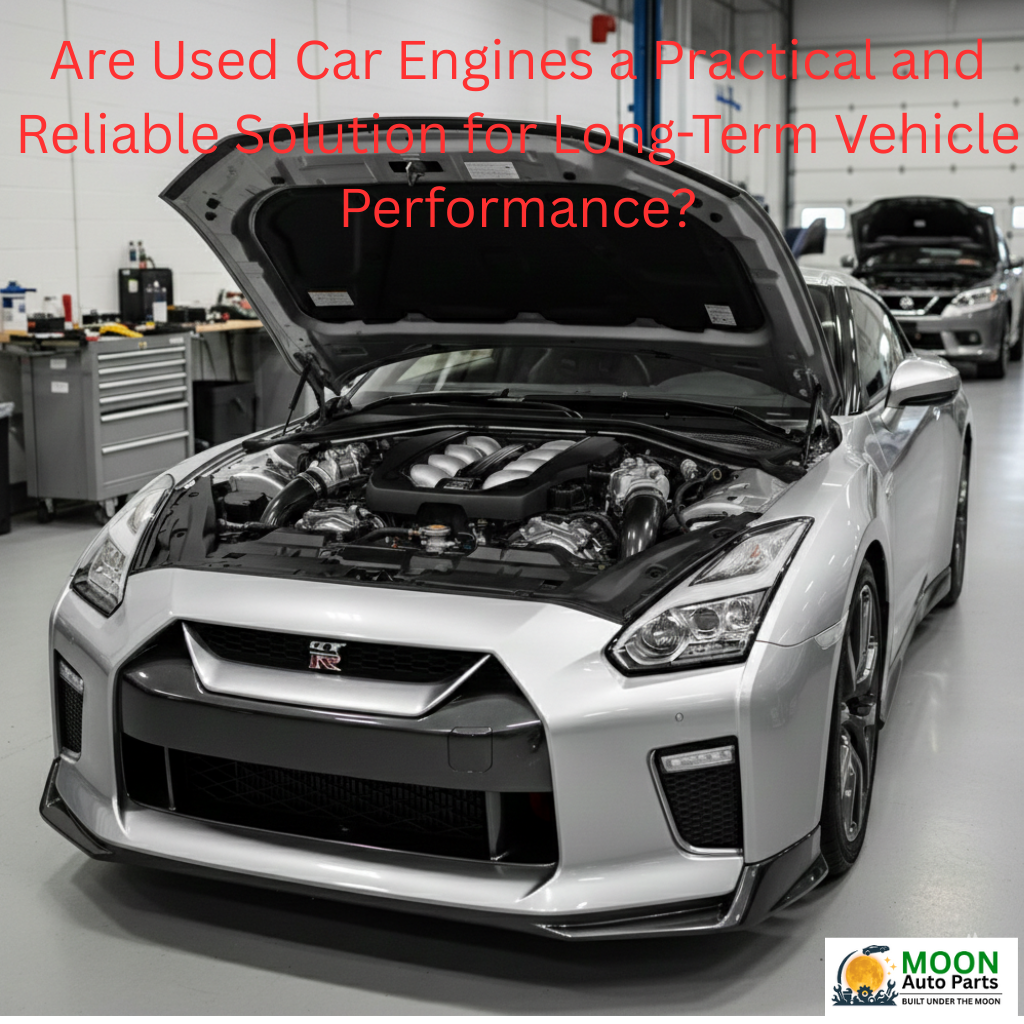
A used engine for sale sourced from reputable sellers like moon auto parts can restore reliability, control costs, and extend vehicle life for years. With careful research and realistic expectations, online engine purchasing becomes not a gamble, but a well-informed investment.
Read Also: Used Engine Buying Guide: How to Make a Smart and Safe Choice


Write a comment ...